
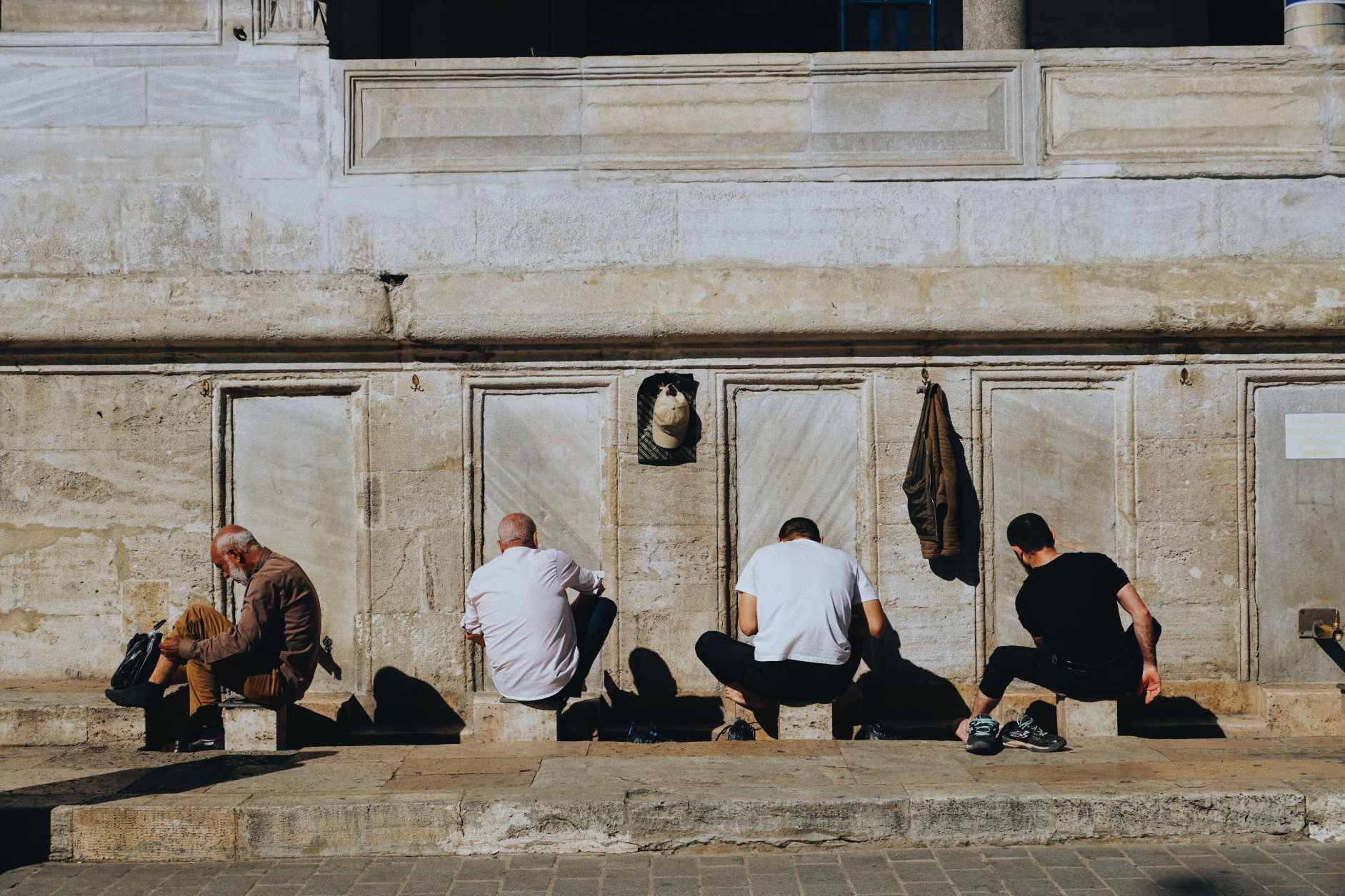
Wudu is one of the first things a Muslim learns, but it is also one of the most important. It is not just a routine of washing. In Shia Islam, wudu is a sacred act of purification that prepares a person to stand before Allah in prayer and other acts of worship.
If you are new to this topic, think of wudu as a way of entering a clean and focused state before worship. It clears away ritual impurity and reminds the believer to approach Allah with care, attention, and sincerity.
What Is Wudu?
Wudu means ritual ablution. In Islamic law, it is the purification done by washing and wiping specific parts of the body in a set order. It is required before prayer and other acts of worship that need ritual purity.
In simple words, wudu is not optional for salah. Without it, prayer is not valid.
Wudu also has a spiritual meaning. It is meant to refresh the believer, remove laziness and impurity, and help the heart feel ready to speak to Allah.
Why Wudu Matters So Much
Wudu is important for both religious and spiritual reasons.
It is required before prayer. The Prophet is reported to have said that there is no prayer without purity. In other words, prayer and purity belong together.
It is also described as half of faith. That shows how central cleanliness and preparation are in Islam.
Wudu is not only for prayer. It is also recommended before reading the Quran, entering a mosque, visiting the shrines of the Ahl al-Bayt, and making supplication.
The Quran's Guidance on Wudu
The main Quranic verse on wudu is Surah al‑Ma'idah, verse 6:
Arabic:
يَا أَيُّهَا الَّذِينَ آمَنُوا إِذَا قُمْتُمْ إِلَى الصَّلَاةِ فَاغْسِلُوا وُجُوهَكُمْ وَأَيْدِيَكُمْ إِلَى الْمَرَافِقِ وَامْسَحُوا بِرُؤُوسِكُمْ وَأَرْجُلَكُمْ إِلَى الْكَعْبَيْنِ.
"O you who believe, when you rise for الصلاة, wash your faces and your hands up to the elbows, and wipe your heads and your feet up to the ankles."
Surah al‑Ma'idah (5:6)
This verse is the foundation of the wudu method in Shia jurisprudence. It gives the sequence and the main actions very clearly: washing the face, washing the arms, wiping the head, and wiping the feet.
The verse also explains that Allah does not want hardship for believers. He wants purification.
What Breaks Wudu?
Before learning how to perform wudu, it helps to know what breaks it.
Wudu is broken by:
- Urine
- Feces
- Passing wind
- Deep sleep that overcomes both hearing and sight
- Loss of intellect, such as intoxication, unconsciousness, or insanity
- Minor istihada in women
If any of these happen, wudu must be performed again before prayer.
Conditions for a Valid Wudu
Wudu is not only about the steps. It also has conditions.
The water must be pure and unmixed. In Shia terms, it must be mutlaq water, not mudaf water. That means it should be normal pure water, not water changed into something else by another substance.
The water, place, and container must also be permissible. They must not be stolen or unlawfully used.
The body parts being washed or wiped must be clean from physical barriers. For example, thick nail polish, grease, artificial nails, or anything that prevents water from reaching the skin must be removed.
The steps must be done in order. This is called tartib.
They must also be done with continuity, without a long break. This is called muwalat.
How to Perform Wudu Step by Step
Here is the Shia method of wudu in a simple way.
Make the intention
Begin with niyyah, which means sincere intention.
You do not need to say anything out loud. The intention is inside the heart. You are doing wudu to obey Allah and become pure for worship.
Wash the face
Wash the face from the hairline down to the bottom of the chin.
This should be done once in the proper way, covering the full area.
Wash the right arm
Wash the right arm first.
Start from above the elbow and wash downward to the fingertips. In Shia wudu, the washing must be from top to bottom. Washing from the fingers upward is not valid.
Wash the left arm
Then wash the left arm in the same way.
Start above the elbow and wash down to the fingertips.
Wipe the head
After washing the arms, the hands will still have moisture on them. Use that remaining moisture to wipe the front part of the head.
This wiping is called masah.
Do not use new water from the tap. The wipe must be done with the moisture already on the hand.
Wipe the right foot
Use the remaining moisture on the right hand to wipe the top of the right foot.
Wipe from the toes toward the ankle joint.
Wipe the left foot
Then use the remaining moisture on the left hand to wipe the top of the left foot.
Again, wipe from the toes toward the ankle joint.
That completes wudu.
A Simple Summary of the Shia Wudu Order
| Step | Action |
|---|---|
| 1 | Intention |
| 2 | Wash the face |
| 3 | Wash the right arm |
| 4 | Wash the left arm |
| 5 | Wipe the head |
| 6 | Wipe the right foot |
| 7 | Wipe the left foot |
Important Details Many People Miss
A few small mistakes can make wudu invalid or incomplete.
Do not use new water for wiping the head or feet. The wiping must be done with the wetness left on the hands after washing.
Do not wash the arms upward. The correct direction is from above the elbow down to the fingers.
Do not leave thick barriers on the skin. Nail polish, heavy makeup, oil, or anything with physical thickness must be removed first.
The place of wiping should not be so wet that your hand moisture does not clearly wipe over it. The wetness of the hand should remain the main moisture.
What If You Have a Bandage or Cast?
If a person has a wound, bandage, or cast that cannot be removed and water would harm it, they can perform jabirah wudu.
In this case, the person washes the surrounding parts and then passes a wet hand over the bandage or cast.
This ruling shows that Islam does not ignore hardship. It gives a practical way to remain pure even during injury.
The Wisdom Behind Wudu
Wudu is not only a rule. It has wisdom.
It cleans the body and refreshes the mind. It helps remove laziness and physical dullness before prayer. More than that, it prepares the believer to stand before Allah with awareness and respect.
There is a beautiful logic in the parts that are washed and wiped. The face is washed because it is the place of expression and identity. The arms are washed because they are used for action. The head and feet are wiped because they complete the posture of readiness before worship.
Wudu is like saying with your body, "I am ready to meet my Lord."
Shia and Sunni Difference on the Feet
One important difference is the treatment of the feet.
In Shia jurisprudence, the tops of the feet are wiped.
In the four Sunni schools, the feet are generally washed.
This difference comes from how the Quranic verse is read and understood. Shia scholars point to the wording that connects the feet with the wiping of the head.
For a beginner, the main thing to remember is simple: if you are following Shia law, you wipe the tops of the feet. Do not wash them in the Shia method.
Key Takeaways
- Wudu is ritual purification and a required condition for prayer.
- In Shia Islam, wudu includes washing the face and arms, then wiping the head and feet.
- The wiping must be done with the remaining moisture on the hands.
- The water must be pure and the body parts must be free from blocking barriers.
- Wudu is broken by things like urination, passing wind, deep sleep, and loss of consciousness.
- If washing is impossible because of a bandage or cast, jabirah wudu is used.
Conclusion
Wudu is simple once you learn it, but it carries deep meaning. It prepares the body, sharpens the mind, and reminds the heart that prayer is not an ordinary action. It is an audience with Allah.
When done correctly, wudu becomes more than washing. It becomes a quiet act of devotion, discipline, and purity.
FAQ
Yes. You can do wudu before the prayer time starts with the intention of remaining in a state of purity. When prayer time enters, that wudu can still be used if it has not been broken.
No, bleeding itself does not break wudu. However, the blood must be cleaned because it is ritually impure.
No. In the Shia method, the feet are wiped directly. Wiping over socks or regular shoes is not valid, except in special necessity cases such as some medical conditions.
If it creates a barrier and prevents water from reaching the skin, it must be removed before wudu.
No. Wudu must be done by the person themselves. It cannot normally be performed by another person on their behalf.
A portion of the front part of the head is enough. It does not have to cover the entire head.
Then jabirah wudu is used. You wash the accessible parts and wipe over the bandage if needed.
Yes. In Shia jurisprudence, intention is a necessary part of wudu because wudu is an act of worship.