
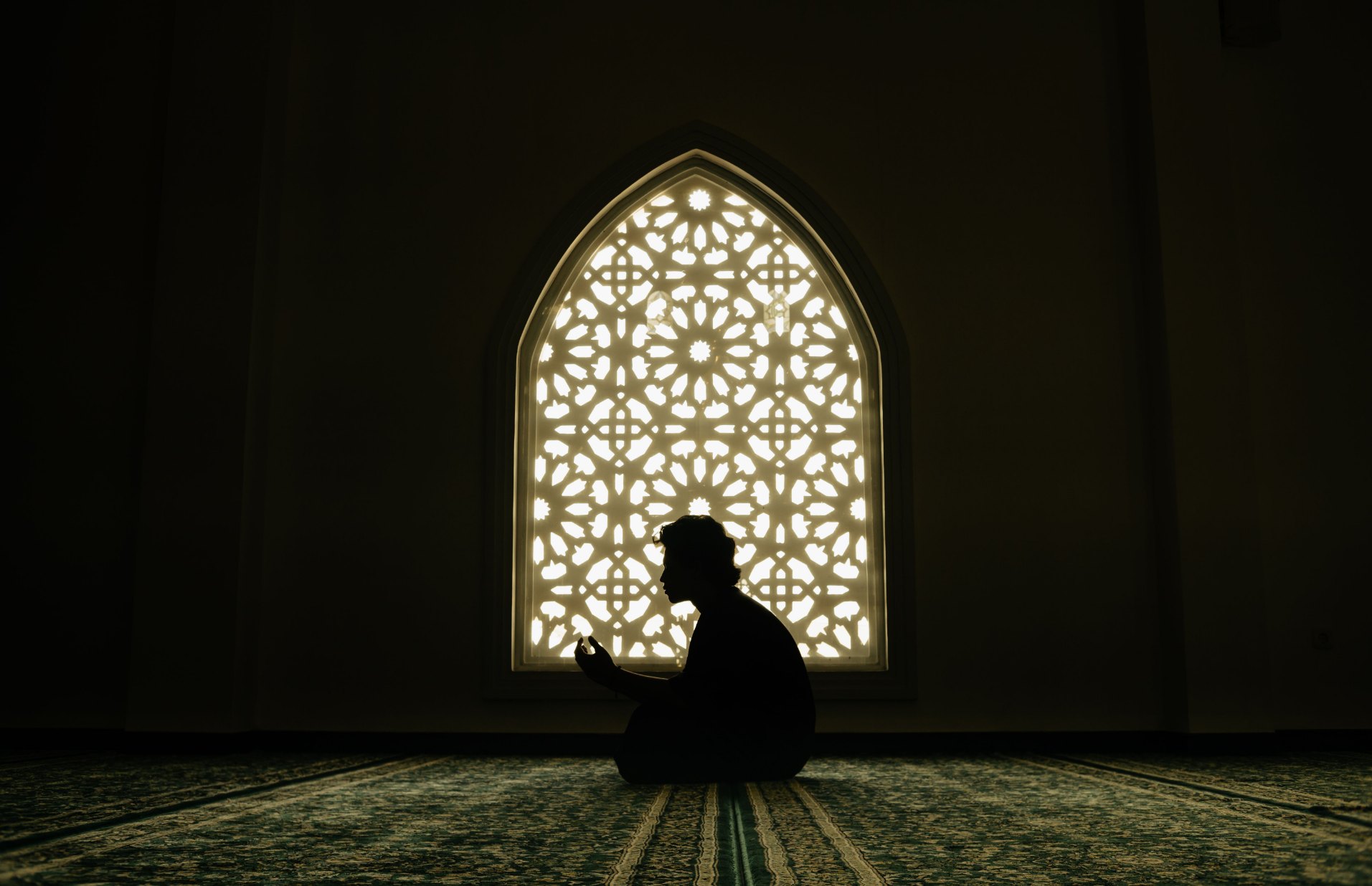
Fajr prayer is the first prayer of the day. In Shia Islam, it is also called Subh prayer. It has only two rak'ats, so it is the shortest of the obligatory prayers, but it is still one of the most important.
Prayer is not just a routine movement. It is an act of worship, a sign of obedience, and a direct way of remembering Allah. In the research you provided, prayer is described as the pillar of religion. That means it is one of the main foundations of a Muslim’s life.
If you are a beginner, this guide will walk you through how to perform Fajr prayer step by step in simple English.
What Is Fajr Prayer?
Fajr prayer is the morning obligatory prayer performed before sunrise.
In Shia usage, it is also called Subh prayer.
It includes:
- preparation before prayer
- recitation of Qur'an
- bowing
- prostration
- sitting and testimony
- ending with peace greeting
Even though the prayer is short, it has a very deep meaning. It begins the day with Allah.
Why Fajr Prayer Matters
The research makes the importance of prayer very clear.
Prayer is:
- the pillar of religion
- the most beloved act after knowing Allah
- the final advice of the Prophets
- a sign of true faith
Imam Sadiq (AS) said that after the knowledge of Allah, he knew of nothing better than prayer. That tells us something important: prayer is not a side activity. It is central.
The Qur'an also supports this understanding.
Qur'anic evidence
Surah Maryam 19:31
وَأَوْصَانِي بِالصَّلَاةِ وَالزَّكَاةِ مَا دُمْتُ حَيًّا
Transliteration: «Wa awsani bis-salati waz-zakati ma dumtu hayya.»
«“And He has enjoined upon me prayer and zakat as long as I remain alive.”»
Surah Maryam (19:31)
This verse refers to Prophet Jesus (AS), and it shows that prayer was not only for one community. It is part of the message of the prophets.
Surah Al-A'la 87:14–15
قَدْ أَفْلَحَ مَنْ تَزَكَّى
وَذَكَرَ اسْمَ رَبِّهِ فَصَلَّى
Transliteration: «Qad aflaha man tazakka. Wa dhakara isma rabbihi fa-salla.»
«“He has certainly succeeded who purifies himself, and mentions the name of his Lord and prays.”»
Surah Al-A'la (87:14–15)
This verse connects success with purification, remembrance of Allah, and prayer.
Surah Al-Isra 17:78
أَقِمِ الصَّلَاةَ لِدُلُوكِ الشَّمْسِ إِلَىٰ غَسَقِ اللَّيْلِ...
Transliteration: «Aqimis-salata lidulukish-shamsi ila ghasaqil-layl...»
«“Establish prayer at the decline of the sun until the darkness of the night...”»
Surah Al-Isra (17:78)
The research notes that Ahl al-Bayt use this verse to explain the timing of the daily prayers.
Before You Begin: 7 Prerequisites
Before praying, these seven preparations must be in place:
| Prerequisite | Meaning |
|---|---|
| Purity from Hadath | You must be in ritual purity through wudu, ghusl, or tayammum |
| Purity from Khabath | Your body and clothes must be free from physical impurity |
| Time | You must pray within the correct prayer time |
| Clothing | Your body must be properly covered |
| Place | The place of prayer must be permissible and not usurped |
| Qiblah | You must face the Kaaba |
| Niyyah | You must make a sincere intention for the prayer |
Simple meanings of these terms
- Wudu: ritual ablution
- Ghusl: full ritual bath
- Tayammum: dry purification with clean earth when water is unavailable or cannot be used
- Niyyah: intention in the heart
- Qiblah: direction of the Kaaba
- Muqaddamat: preparations or prerequisites
If these are not in place, the prayer is not correct.
The Step-by-Step Method of Fajr Prayer
Fajr prayer has two rak'ats. Here is the full order.
1) Adhan and Iqamah (recommended before prayer)
Before the prayer, it is recommended to say Adhan and Iqamah.
- Adhan is the call to prayer.
- Iqamah is the call said just before the prayer starts.
According to the research:
- Adhan has 18 phrases
- Iqamah has 17 phrases
They are highly recommended and help prepare the heart for prayer.
2) Make your intention
Before beginning, make the intention in your heart that you are praying Fajr prayer for Allah.
This is called niyyah.
You do not need to say it out loud. What matters is the sincerity of the heart.
3) Say Takbirat al-Ihram
Stand facing the Qiblah and say:
Arabic:
«الله أكبر»
Transliteration:
«Allahu Akbar»
English meaning:
«“Allah is the Greatest.”»
This opening takbir is called Takbirat al-Ihram.
It begins the prayer. After saying it, you enter the state of prayer, and ordinary actions outside prayer are no longer allowed.
Important points:
- it must be said in correct Arabic
- it must not be changed
- it must not be added to
- it must not be omitted
If it is missed, the prayer is invalid.
4) Recite Surah Al-Fatihah and another Surah in the first rak'ah
In the first rak'ah, recite:
- Surah Al-Fatihah
- one other complete Surah
The Bismillah is part of the Surah and must be recited.
This part of prayer is called qira'ah, meaning recitation.
This is the time when the believer stands before Allah and recites His words with attention and humility.
5) Go into Ruku
After recitation, bow down into ruku.
In ruku, you should:
- bow once in each rak'ah
- remain still
- recite a dhikr
A commonly mentioned dhikr is:
Arabic:
«سُبْحَانَ رَبِّيَ الْعَظِيمِ وَبِحَمْدِهِ»
Transliteration:
«Subhana Rabbiyal-'Azim wa bi-hamdih»
English meaning:
«“Glory be to my Lord, the Magnificent, and praise be to Him.”»
After ruku, stand completely upright before moving to sujud.
6) Perform Sujud twice
After standing from ruku, go into sujud, which means prostration.
Each rak'ah has two sujuds.
In sujud, seven parts of the body should touch the ground:
- forehead
- two palms
- two knees
- two big toes
The forehead must be placed on natural earth or something grown from it, except things that are worn or eaten.
A commonly recited dhikr in sujud is:
Arabic:
«سُبْحَانَ رَبِّيَ الْأَعْلَى وَبِحَمْدِهِ»
Transliteration:
«Subhana Rabbiyal-A'la wa bi-hamdih»
English meaning:
«“Glory be to my Lord, the Most High, and praise be to Him.”»
Between the two sujuds, sit up completely before going down again.
7) Stand for the second rak'ah
After finishing the first rak'ah, stand up for the second rak'ah.
Then recite again:
- Surah Al-Fatihah
- one other complete Surah
Before ruku in the second rak'ah, it is recommended to perform qunut.
What is qunut?
Qunut is a supplication made with raised hands.
It is recommended, not obligatory.
This is a beautiful pause in the prayer where the believer asks Allah for help, mercy, and blessings.
8) Perform Ruku and Sujud again
Now repeat the same sequence:
- go into ruku
- stand upright
- go into two sujuds
This is done the same way as in the first rak'ah.
9) Recite Tashahhud
After the second sujud of the second rak'ah, sit down and recite tashahhud.
Tashahhud is the testimony of faith recited while sitting.
The research says it includes:
- witness to Allah’s oneness
- witness to the Prophet’s messengership
- salawat
Important note
The exact wording of tashahhud can differ in presentation, but the function is the same: to affirm faith while sitting near the end of prayer.
10) End with Salam
The prayer ends with salam.
The main phrase is:
Arabic:
«السَّلَامُ عَلَيْكُمْ وَرَحْمَةُ اللَّهِ وَبَرَكَاتُهُ»
Transliteration:
«As-salamu 'alaykum wa rahmatullahi wa barakatuh»
English meaning:
«“Peace be upon you, and the mercy of Allah, and His blessings.”»
This closing greeting brings the prayer to an end and makes it obligatory to exit the state of prayer.
11) Say Ta'qibat after prayer
After the prayer, it is highly recommended to do ta'qibat, meaning post-prayer supplications and remembrances.
The most emphasized one in the research is the Tasbih of Fatimah Zahra (AS):
- 34 times: Allahu Akbar
- 33 times: Alhamdulillah
- 33 times: Subhanallah
Arabic, transliteration, and meaning
Allahu Akbar
Arabic: الله أكبر
Transliteration: Allahu Akbar
Meaning: Allah is the Greatest
Alhamdulillah
Arabic: الحمد لله
Transliteration: Alhamdulillah
Meaning: All praise is for Allah
Subhanallah
Arabic: سبحان الله
Transliteration: Subhanallah
Meaning: Glory be to Allah
This is a short but powerful way to finish the prayer with remembrance.
What Breaks the Prayer?
Some actions invalidate the prayer.
According to the research, these include:
- intentional speaking
- loud laughing
- crying for worldly matters
- turning completely away from the Qiblah
- doing something that destroys the form of prayer
- breaking wudu
Wudu is broken by:
- passing wind
- urine
- feces
- falling asleep
- losing consciousness
This is why prayer requires calmness, focus, and discipline.
A Few Important Shia Prayer Notes
The research also mentions some known Shia practices:
- Shia Muslims do not cross their arms in prayer
- They do not say “Amen” as part of the prayer text
- In wudu, they wipe the top of the feet rather than washing them
These practices are based on the teachings of the Ahl al-Bayt.
The research also says that saying “Ashhadu anna Aliyyan waliyyullah” during Adhan or Iqamah is highly recommended as an expression of faith, but it is not an official part of Adhan or Iqamah. It should not be treated as a required addition.
Why Prayer Changes a Person
Prayer is not only a duty. It also shapes character.
The research explains that prayer:
- reminds a person of Allah
- purifies the soul
- removes bad deeds
- replaces them with good deeds
- builds piety and God-consciousness
That is why prayer is not just something to finish. It is something to live through.
A person who prays with attention is reminded, five times a day, that life belongs to Allah.
Simple Step-by-Step Summary
Here is the full Fajr prayer in one easy list:
- Make sure the seven prerequisites are complete.
- Say Adhan and Iqamah if possible.
- Make the intention.
- Say Allahu Akbar and begin the prayer.
- Recite Surah Al-Fatihah and another Surah.
- Go into ruku and say its dhikr.
- Stand straight.
- Perform the first sujud.
- Sit between the two sujuds.
- Perform the second sujud.
- Stand for the second rak'ah.
- Recite Surah Al-Fatihah and another Surah.
- Perform qunut before ruku.
- Go into ruku and then two sujuds again.
- Sit for tashahhud.
- End with salam.
- Say the Tasbih of Fatimah Zahra (AS) after prayer.
Key Takeaways
- Fajr prayer is the two-rak'ah morning prayer in Shia Islam.
- It is also called Subh prayer.
- Before praying, you must have the right purity, time, clothing, place, Qiblah, and intention.
- The prayer begins with Takbirat al-Ihram: Allahu Akbar.
- Each rak'ah includes recitation, ruku, and two sujuds.
- The second rak'ah includes qunut, then tashahhud and salam.
- After prayer, the Tasbih of Fatimah Zahra (AS) is highly recommended.
Conclusion
Learning how to perform Fajr prayer step by step is one of the best things a Muslim beginner can do. It is short, but it is full of meaning. Every movement has purpose. Every word has weight. Every moment is a reminder that Allah is near.
When you pray Fajr with understanding, it becomes more than a daily obligation. It becomes the first conversation of the day between the servant and the Lord.
FAQ
- Is Fajr prayer the same as Subh prayer?
Yes. In Shia Islam, Fajr prayer is also called Subh prayer. - How many rak'ats are in Fajr prayer?
Fajr prayer has two rak'ats. - Is qunut obligatory in Fajr prayer?
No. Qunut is recommended, not obligatory. - Do I have to say Adhan and Iqamah before Fajr?
They are highly recommended, but they are not required for the prayer to be valid. - What should I recite in ruku?
A common dhikr is:
Subhana Rabbiyal-'Azim wa bi-hamdih
“Glory be to my Lord, the Magnificent, and praise be to Him.” - What should I recite in sujud?
A common dhikr is:
Subhana Rabbiyal-A'la wa bi-hamdih
“Glory be to my Lord, the Most High, and praise be to Him.” - What invalidates the prayer?
Intentional speaking, loud laughing, crying for worldly matters, turning away from the Qiblah, actions that destroy the form of prayer, and breaking wudu. - What is the best post-prayer remembrance?
The research highlights the Tasbih of Fatimah Zahra (AS): 34 times Allahu Akbar, 33 times Alhamdulillah, and 33 times Subhanallah.