
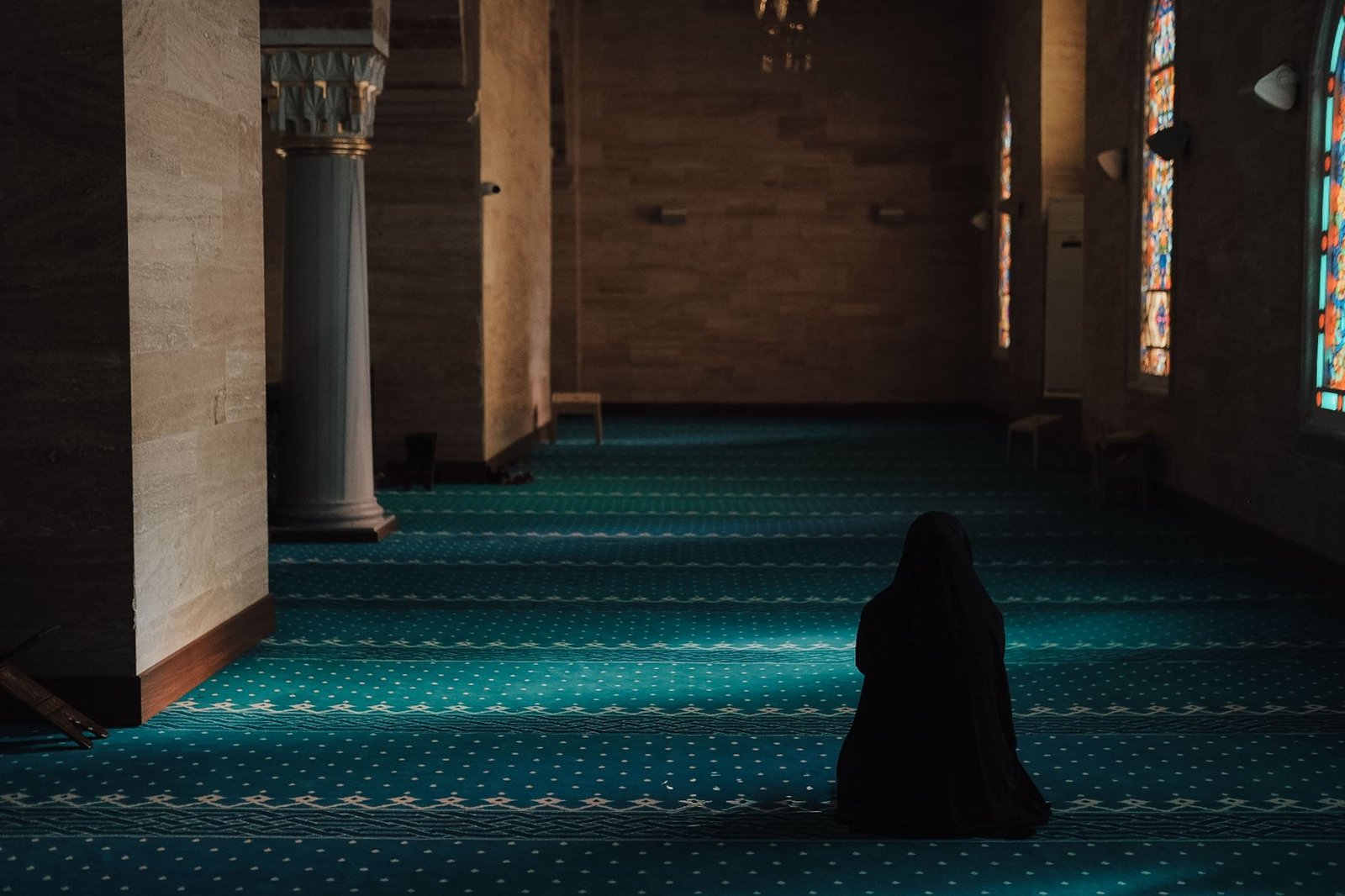
The word Nudbah means mourning, lamenting, crying, and weeping for someone who is absent or lost. That already gives a clue to the spirit of the dua. It is a prayer of love, grief, loyalty, and expectation. It teaches believers how to remain spiritually connected to the hidden Imam even during the long age of his occultation, known as Ghaybah.
In simple terms, Dua Nudbah asks: Where is the guide of our time? Where is the restorer of justice? Where is the one who will stand for the oppressed and avenge the blood of the prophets and the righteous? For this reason, the dua holds a special place in Shia devotion.
Dua Nudbah is a lamentation prayer for Imam Mahdi (AJ) that also recalls the history of divine guidance, the suffering of the Ahl al-Bayt, and the hope for the final victory of justice.
What Does “Nudbah” Mean?
The Arabic word ندبه refers to mourning, crying aloud, and lamenting over someone who is gone or hidden. In devotional use, it is more than ordinary sadness. It also includes remembering the person's virtues, speaking about their beauty and rank, and expressing deep pain at separation.
That is exactly what Dua Nudbah does. It remembers the prophets, the chosen guides, Imam Ali (AS), Imam Husayn (AS), and the rest of the Ahl al-Bayt. At the same time, it turns the believer's attention toward Imam Mahdi (AJ), the living Imam who is hidden from public view.
Why Is Dua Nudbah So Important?
Dua Nudbah matters for several reasons:
- It renews the believer's covenant with the Imam of the Time.
- It reminds Muslims that the world is not complete without divine guidance.
- It expresses grief over the historical injustice done to the Ahl al-Bayt.
- It strengthens hope for the establishment of global justice.
- It keeps alive the spirit of Intizar, meaning active waiting and hopeful anticipation.
This dua is not a passive prayer. It is emotionally intense, spiritually awakening, and morally demanding. It does not let the believer become comfortable with oppression.
Who Taught and Preserved Dua Nudbah?
According to the material in the research dossier, prominent Shia scholars such as Allamah Majlisi attribute the dua to Imam Ja‘far al-Sadiq (AS). The text was preserved in early Shia sources through reliable transmitters, especially Muhammad bin Ali bin Abi Qurrah, who copied it from the book of Abu Ja‘far Muhammad bin Husayn bin Sufyan al-Bazoofari.
There is also a scholarly possibility that Bazoofari received it through his father, Husayn bin Ali bin Sufyan, a respected scholar of the fourth century during the Minor Occultation. He was connected with the Four Deputies of Imam Mahdi (AJ) through written communications.
In other words, the dua comes through an early and serious scholarly chain, not through a late and casual transmission.
How Strong Is the Authenticity of Dua Nudbah?
Many Shia scholars treat Dua Nudbah as highly reliable. The dossier notes that:
- Ibn Abi Qurrah is considered trustworthy by Najashi.
- Bazoofari was a well-known and respected scholar.
- Allamah Majlisi explicitly authenticated the chain in his works.
- Ayatollah Safi Golpaygani stated that the chain is strong enough that one does not need to rely on the rule of leniency for recommended acts.
Some scholars mention that the chain in later copies may appear incomplete in places. Even then, the text remains valid to recite because of its strong content, its harmony with Quranic themes, and its wide acceptance among scholars.
When Is Dua Nudbah Recited?
It is highly recommended to recite Dua Nudbah on:
- Friday
- Eid al-Fitr
- Eid al-Adha
- Eid al-Ghadir
These are days of joy for Muslims, but the dua reminds the believer that the pain of separation from divine leadership still remains. One narration from Imam Baqir (AS) is cited in the dossier to show that whenever Muslims celebrate Eid, the sorrow of the Ahl al-Bayt is also renewed because their right was taken away.
That is one of the most unique features of this dua: it joins joy and grief in a single spiritual experience.
The Main Themes of Dua Nudbah
Dua Nudbah moves through several major themes. Understanding them helps the reader see its depth.
| Section | What It Does | Main Theme |
|---|---|---|
| Opening | Praises Allah and recalls the history of divine guidance | Tawhid and prophethood |
| Middle | Mentions Imam Ali (AS), Ghadir, and the betrayal of the Ummah | Wilayah |
| Lamentation | Weeps over the suffering of the Ahl al-Bayt and calls out to the hidden Imam | Nudbah and longing |
| Conclusion | Asks Allah for needs, mercy, and closeness to the Imam | Supplication and hope |
1) Tawhid and Prophetic History
The dua begins by praising Allah and presenting history as a story of divine guidance. It reminds the reader that God did not leave humanity without prophets. From Adam to Muhammad (S), the pattern is clear: God sends guidance, and human beings are tested in how they respond.
2) Wilayah of Imam Ali (AS)
The dua then moves to Imam Ali (AS) and the event of Ghadir. It does not treat his position as a small historical issue. It presents his leadership as a divine trust.
The text includes the famous words of the Prophet (S):
"مَنْ کُنْتُ مَوْلاَهُ فَعَلِیٌّ مَوْلاَهُ اللَّهُمَّ وَالِ مَنْ وَالاَهُ وَ عَادِ مَنْ عَادَاهُ وَ انْصُرْ مَنْ نَصَرَهُ وَ اخْذُلْ مَنْ خَذَلَهُ"
"Whomever I am his master, this Ali is his master. O Allah, befriend whoever befriends him, be the enemy of whoever is his enemy, help whoever helps him, and forsake whoever forsakes him."
— Prophet Muhammad (S) at Ghadir Khumm
It also includes the well-known statement:
"أَنْتَ مِنِّی بِمَنْزِلَةِ هَارُونَ مِنْ مُوسَی إِلاَّ أَنَّهُ لاَ نَبِیَّ بَعْدِی"
"You are to me in the position of Aaron to Moses, except that there is no prophet after me."
— Prophet Muhammad (S) regarding Imam Ali (AS)
These passages remind the believer that the dua is not only emotional. It is also theological.
3) Mourning the Ahl al-Bayt
This is the heart of the dua. The reciter does not simply mention the Ahl al-Bayt. The reciter mourns them.
"فَعَلَی الْأَطَائِبِ مِنْ أَهْلِ بَیْتِ مُحَمَّدٍ وَ عَلِیٍّ صَلَّی اللَّهُ عَلَیْهِمَا وَ آلِهِمَا فَلْیَبْکِ الْبَاکُونَ وَ إِیَّاهُمْ فَلْیَنْدُبِ النَّادِبُونَ"
"So upon the pure ones of the household of Muhammad and Ali (peace be upon them both and their progeny), let the weepers weep, and for them let the mourners mourn."
This line shows that tears are not seen as weakness. In this dua, tears are a form of worship.
4) Waiting for the Avenger of Justice
One of the most famous and moving parts of Dua Nudbah is its repeated cry: “Where is he?”
"أَیْنَ الطَّالِبُ بِذُحُولِ الْأَنْبِیَاءِ وَ أَبْنَاءِ الْأَنْبِیَاءِ"
"Where is the seeker of the blood of the Prophets and the children of the Prophets?"
The word ذُحُول refers to spilled blood that has not been avenged. The dua presents Imam Mahdi (AJ) as the one who will stand for all the prophets and righteous people who were wronged.
Another famous line says:
"أَیْنَ الْمُطَالِبُ بِدَمِ الْمَقْتُولِ بِکَرْبَلَاءَ"
"Where is the seeker of the blood of the one killed in Karbala?"
This connects Imam Mahdi's mission directly to Imam Husayn (AS) and the tragedy of Ashura.
5) Supplication for Needs and Closeness to the Imam
At the end, the dua becomes a personal prayer. The reciter asks Allah for help, mercy, and nearness to the Imam in this world and the Hereafter. This final section is important because it shows that longing for the Imam should also change the way a person lives.
Key Quranic Meanings in Dua Nudbah
The dua reflects major Quranic ideas even where the exact verse is not directly recited in every edition.
One verse highlighted in the dossier is:
قُلْ لاَ أَسْئَلُکُمْ عَلَیْهِ أَجْراً إِلاَّ الْمَوَدَّةَ فِی الْقُرْبَی
"Say: I do not ask of you any reward for it except love for my near relatives."
Surah Ash-Shura (42:23)
This verse is used in the dua's theological atmosphere to show that love for the Prophet's family is not optional in Shia understanding. It is a Qur'anic duty.
Another verse mentioned in the commentary is:
أَمَّنْ یُجِیبُ الْمُضْطَرَّ إِذَا دَعَاهُ
"Is He who answers the desperate one when he calls upon Him..."
Surah An-Naml (27:62)
This verse helps explain the state of the believer in Dua Nudbah. The reciter is not calm, distant, or formal. He or she is muzztar — deeply in need, desperate for divine help, and hungry for the Imam's return.
A Note on a Common Textual Issue
Some printed versions of Dua Nudbah contain a phrase that suggests the Prophet's Mi‘raj was only spiritual. The dossier explains that this is a textual corruption.
What Does Dua Nudbah Teach Us Spiritually?
Dua Nudbah teaches at least three major lessons.
1) The Earth Is Never Without Divine Guidance
From the prophets to the Imams, history is the story of God guiding humanity. The hidden Imam is part of that same divine pattern.
2) Mourning Can Be Worship
In everyday life, people often see weeping as weakness. Dua Nudbah teaches the opposite. Tears for the Ahl al-Bayt can become an act of devotion, loyalty, and truthfulness.
3) Waiting Must Be Active
Intizar does not mean sitting back and doing nothing. It means staying awake, morally alert, and committed to justice while waiting for the return of the Imam.
Practical Etiquette for Reciting Dua Nudbah
Believers traditionally recite this dua with a sorrowful heart, especially in congregational settings on Friday mornings or afternoons. The atmosphere matters. The prayer is meant to be read with sincerity, humility, and awareness of separation from the Imam.
It is not a dua to rush through. It is a dua to feel.
Recommended Sources Mentioned in the Research
The dossier notes that Dua Nudbah appears in important Shia works such as:
- Al-Mazar al-Kabir
- Misbah al-Za'ir
- Iqbal al-A‘mal
- Jamal al-Usbu‘
- Mazar Qadimi
- Bihar al-Anwar
- Zad al-Ma‘ad
- Hadiyat al-Za'irin
It also mentions that many scholarly commentaries have been written on this single supplication, showing how deeply it has shaped Shia devotional life.
• Dua Nudbah is a major Shia supplication connected to Imam Mahdi (AJ) and the occultation.
• Its name means lamentation, mourning, and crying for the absent one.
• It combines theology, history, grief, and hope in one powerful prayer.
• The dua is commonly recited on Fridays and major Islamic Eids.
• It strongly emphasizes Wilayah, Karbala, and the coming of divine justice.
• Many scholars have treated its text as highly reliable and worthy of careful study.
Conclusion
Dua Nudbah is more than a prayer for the hidden Imam. It is a map of Shia faith. It begins with Allah, passes through the prophets, honors Imam Ali (AS), mourns Karbala, and ends with hope for justice and reunion.
For believers, it is a way of saying that the story of oppression is not finished, but neither is the promise of divine victory. The Imam is absent from public sight, but not absent from the heart of faith. That is why Dua Nudbah continues to be recited with tears, longing, and hope.