
Imam Mahdi is one of the most important figures in Shia Islam. For Shia Muslims, he is not a distant idea or a vague symbol of hope. He is a real Imam, the son of Imam Hasan Askari, and the promised guide who will one day reappear to fill the world with justice after it has been filled with oppression.
That belief gives many Shia Muslims patience, direction, and hope. It also raises an important question for beginners: Who exactly is Imam Mahdi, and why does he matter so much?
To understand that, we need to look at his family background, his birth, his titles, his occultation, and his role in the future of humanity.
Who Is Imam Mahdi?
In Shia Islam, Imam Mahdi is the 12th Imam from the line of Imam Ali and Lady Fatimah. He is also known as Al-Mahdi, which means the Guided One. He is believed to be alive, but hidden from public life by Allah’s command.
Shia Muslims believe that he is not absent in the sense of being gone forever. Rather, he is in a state of occultation (Ghaybah), which means hiddenness. He will remain hidden until the time appointed by Allah for his return.
His full identity is deeply respected in Shia tradition, and he is often referred to by titles such as:
- Al-Mahdi — the Guided One
- Al-Qa’im — the Upriser
- Al-Hujjah — the Proof of Allah
- Sahib al-Zaman — the Lord of the Age
- Baqiyatallah — the Remainder of Allah
- Faraj al-Mu’minin — the Relief of the Believers
Each title highlights a different side of his mission. Together, they paint a picture of an Imam who will stand for truth, revive justice, and guide the world toward Allah.
Family Background
Imam Mahdi is the son of Imam Hasan Askari, the 11th Imam in Shia Islam. His mother is widely known as Narjis Khatoon, though she is also mentioned by other names in historical sources, including Maryam, Rayhanah, Saqil, and Sawsan. Her most famous kunya is Umm Muhammad.
His birth took place under severe political pressure. The Abbasid rulers were watching the family of the Prophet very closely, because they feared the arrival of the promised Imam. For that reason, his birth was kept secret.
According to the reports preserved in Shia tradition, Imam Hasan Askari asked his aunt Hakimah Khatoon to pray for the safe delivery of the child. Hakimah played the role of midwife at the birth.
This secrecy was not accidental. It was a protective measure. The enemies of the Ahl al-Bayt knew the prophecies about the final Imam, and they were trying to stop his appearance before it could even happen.
Why His Birth Was Hidden
To modern readers, hidden birth may sound unusual. But in the historical context of Abbasid rule, it makes perfect sense.
The Abbasid government was suspicious of the descendants of the Prophet. They knew that many Muslims believed a great leader from the Prophet’s family would rise at the end of time and establish justice. So they tried to control the family of Imam Hasan Askari and watch every movement around his household.
If the child had been publicly announced, the political authorities might have tried to kill him. His concealed birth was therefore part of divine protection.
This is one reason Shia Muslims see Imam Mahdi not only as a religious leader, but also as a sign of Allah’s wisdom. Sometimes, Allah preserves a truth in hidden form until the right moment arrives.
The Significance of His Lineage
One of the most powerful themes in Shia belief is that Imam Mahdi is not an isolated figure. He is the final link in a sacred chain of leadership going back to the Prophet Muhammad.
The Tablet of Fatimah (Hadith al-Lawh) is especially important here. In Shia tradition, it lists the Imams and identifies the final successor as the one who combines the perfection of Moses, the brilliance of Jesus, and the patience of Job.
That description is deeply symbolic.
- Moses represents strength in the face of tyranny.
- Jesus represents purity and spiritual power.
- Job represents patience during trial.
In other words, Imam Mahdi is seen as a leader who brings together courage, mercy, and endurance.
Titles and Honorifics of Imam Mahdi
Shia tradition uses many beautiful titles for Imam Mahdi, and each one teaches something important.
Al-Mahdi — The Guided One
This title shows that his mission is guided by Allah, not by ego, power, or worldly ambition.
Al-Qa’im — The Upriser
He is called Al-Qa’im because he will rise with truth after falsehood has spread and people have grown careless about religion.
Al-Hujjah — The Proof
An Imam is considered the living proof of Allah on earth. His presence reminds humanity that divine guidance has not ended.
Sahib al-Zaman — Lord of the Age
This title means he belongs to every age, but he is especially the leader of the age in which he appears.
Baqiyatallah — The Remainder of Allah
This title is especially meaningful. It suggests that after corruption and injustice have taken so much from the world, he remains as Allah’s lasting sign.
Sahib al-Ghaybah — Lord of the Occultation
This title refers to his hidden state.
These names are not just honorifics. They shape how Shia Muslims think about his role, his purpose, and his future return.
What Is the Occultation?
The most distinctive part of Imam Mahdi’s story is his occultation (Ghaybah). This means that he is alive but not openly visible to the public.
Shia Islam explains this in two stages:
1. The Minor Occultation (Ghaybat al-Sughra)
This was a transitional period in which Imam Mahdi communicated with the Shia community through four special deputies, known as the Four Deputies (Nuwwab al-Arba).
They were:
- Uthman bin Sa’id al-Amri
- Muhammad bin Uthman
- Husayn bin Ruh al-Nawbakhti
- Ali bin Muhammad al-Samarri
These men helped guide the community, deliver messages, and protect the Imam’s affairs during a dangerous time.
The last deputy, Ali bin Muhammad al-Samarri, received a final letter from the Imam shortly before his death in 329 AH. That letter marked the end of the Minor Occultation.
2. The Major Occultation (Ghaybat al-Kubra)
After 329 AH, the Major Occultation began. In this stage, Imam Mahdi no longer appointed special deputies.
Instead, Shia Muslims were instructed to rely on general scholars, jurists, and the teachings preserved in the tradition of the Ahl al-Bayt.
This does not mean the Imam stopped caring. On the contrary, Shia belief holds that he remains spiritually aware of the community and continues to guide by Allah’s permission.
A famous message attributed to him says:
“We are not negligent of your care, nor forgetful of your remembrance...”
That statement gives comfort to believers. It tells them they are not abandoned.
Why Is He Called the Hidden Imam?
He is called the Hidden Imam because he is not publicly visible, but his hiddenness is not the same as non-existence.
Think of sunlight behind clouds. The sun is still there, even when people cannot see it clearly.
That is how Shia Muslims often understand the Imam during occultation. His existence is real, his role is real, and his return is still awaited.
The occultation is also a test. It separates shallow belief from deep faith. Anyone can claim to believe when everything is easy. But belief becomes stronger when a person trusts Allah’s plan even without seeing every detail.
What Will Happen When Imam Mahdi Appears?
Shia tradition describes Imam Mahdi’s reappearance as a world-changing event. He will not come for fame or revenge. He will come to restore justice.
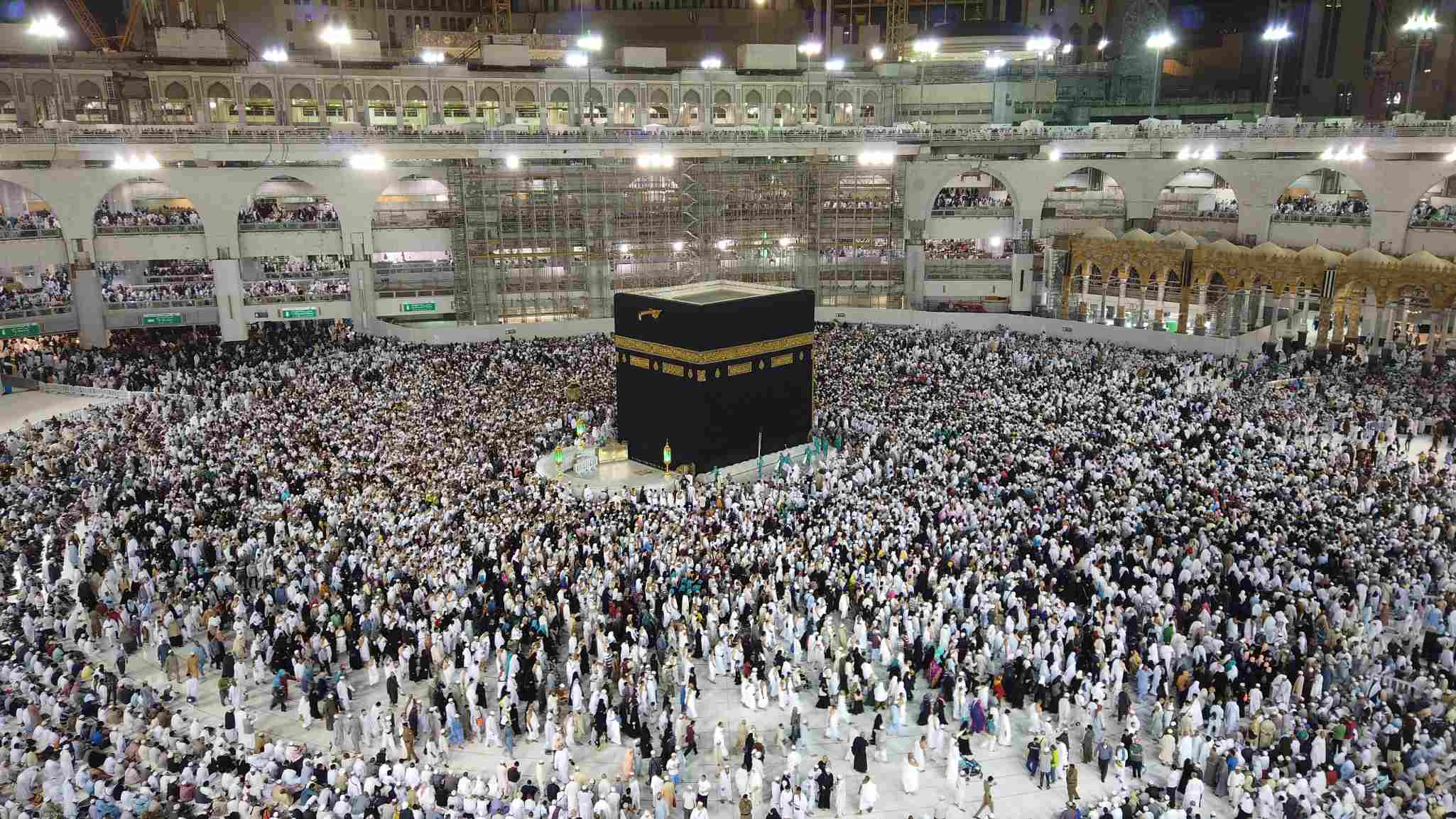
According to the reports in the dossier, he will appear with 313 companions and declare his mission publicly near the Kaaba.
His first declaration will be:
“I am Baqiyatallah.”
“I am the remainder of Allah on His earth.”
This statement shows that his authority is not political in the ordinary sense. It is sacred, moral, and divine in purpose.
He will then appoint governors to different regions of the earth and begin the work of justice.
The Meaning of His Future Mission
The return of Imam Mahdi is not only about one man. It is about the healing of the world.
His mission includes:
- ending oppression
- correcting injustice
- reviving true religion
- restoring moral order
- uniting people under truth
- exposing falsehood
In a world where injustice often feels normal, this vision matters.
People today still ask the same old questions: Why do the weak suffer? Why do tyrants win? Why does truth seem so fragile? The belief in Imam Mahdi answers those questions with hope. It says that injustice does not last forever.
Quranic Reflections Connected to Imam Mahdi
Shia scholars and traditions often connect certain Quranic verses to Imam Mahdi and the future of righteous rule.
Surah An-Nur 24:55
وَعَدَ اللَّهُ الَّذِينَ آمَنُوا مِنْكُمْ وَعَمِلُوا الصَّالِحَاتِ لَيَسْتَخْلِفَنَّهُمْ فِي الْأَرْضِ
Translation: “Allah has promised those of you who believe and do righteous deeds that He will surely grant them succession upon the earth...”
— Surah An-Nur (24:55)
This verse is often understood as a promise that true faith and righteous action will eventually be rewarded with rightful leadership and stability.
Surah Al-Isra 17:71
يَوْمَ نَدْعُو كُلَّ أُنَاسٍ بِإِمَامِهِمْ
Translation: “The day We will call every people with their Imam.”
— Surah Al-Isra (17:71)
This verse reminds believers that leadership matters. Everyone will be gathered with the guide they followed.
Surah Al-Qadr 97:1-5
The Night of Decree (Laylat al-Qadr) is also linked in spiritual interpretation to the ongoing divine plan that ends with the appearance of the Qa’im. It reminds believers that Allah’s guidance moves according to wisdom, not human impatience.
Hadiths About the Imam and the Hujjah
One famous saying from Imam Muhammad al-Baqir is often cited in Shia tradition:
«Arabic:
لَوْ أَنَّ الْإِمَامَ رُفِعَ مِنَ الْأَرْضِ سَاعَةً لَمَاجَتْ بِأَهْلِهَا كَمَا يَمُوجُ الْبَحْرُ بِأَهْلِهِ
Translation: “If the Earth were deprived of the Imam for an hour, it would swallow its inhabitants just as the sea swallows its inhabitants.”
— Imam Muhammad al-Baqir (a.s.)
The meaning is clear: the Imam is not a luxury. He is part of the spiritual order that keeps the world steady by Allah’s permission.
Another important report explains why he is called Al-Qa’im. When asked about his successor, Imam Hasan Askari identified his son as the Qa’im and explained that he will rise when truth has been forgotten and falsehood has spread.
That image is powerful. It suggests that Imam Mahdi does not emerge in a comfortable age. He appears when the world most needs him.
Opponents, Persecution, and False Claimants
The life and legacy of Imam Mahdi cannot be understood without the political pressure surrounding his family.
The Abbasid rulers, especially Al-Mu’tamid, searched intensely for the Imam’s successor. They feared him because they understood the prophecy better than many people admit. They knew a true leader from the Prophet’s family could challenge their rule.
At the same time, some people falsely claimed to be the Imam’s deputy in order to gain money, power, or influence. Others tried to present different figures as the promised Mahdi for political reasons.
This is one reason the history of the occultation is so important. It protected the Imam from enemies and protected the community from deception.
Imam Mahdi’s Relationship with the Believers
Even though he is hidden, Shia tradition teaches that Imam Mahdi is not indifferent to the believers.
He is described as caring for them, remembering them, and knowing their struggles. He is sometimes called a stranger (Gharib) because he is hidden from the very people he loves. That image is emotional and deeply human. It helps believers feel that the Imam shares their pain.
There are also spiritual practices connected to him, such as Dua Ahad, which is recommended in Shia tradition for those who want to renew loyalty to the Imam.
The idea is simple: if you are waiting for someone, you should also prepare yourself to welcome them.
Why Do Shia Muslims Pray for His Reappearance?
Praying for the Imam’s return is not only an act of longing. It is also an act of alignment.
When a believer asks Allah to hasten the Imam’s appearance, they are saying:
- I want justice.
- I want truth.
- I want the world to be better.
- I want to be part of the solution, not part of the problem.
That prayer changes the heart.
It makes a person less attached to corruption and more attached to righteousness. It turns waiting into a kind of worship.
What Can We Learn from Imam Mahdi Today?
Even before his appearance, Imam Mahdi teaches valuable lessons.
- Justice matters
A believer should never become comfortable with oppression.
- Patience is powerful
Some truths take time to unfold.
- Hidden does not mean absent
Sometimes the most important realities are not visible at first glance.
- Faith requires trust
You do not need to see everything to believe in Allah’s plan.
- Personal reform matters
People who wait for justice should live justly themselves.
These lessons make the belief in Imam Mahdi practical, not just theoretical.
Conclusion
Imam Mahdi is the 12th Imam in Shia Islam, the son of Imam Hasan Askari, and the promised guide who is currently in occultation. Shia Muslims believe he is alive, protected by Allah, and destined to return at the right time to establish justice across the world.
His story is not only about the future. It is also about how to live now. It teaches patience, hope, loyalty, and resistance to oppression. It reminds believers that Allah’s promise is never wasted and that truth does not disappear just because it is hidden for a while.
For Shia Muslims, Imam Mahdi is the living answer to a broken world. He is the promise that justice will not remain a dream forever.
FAQ
- Who is Imam Mahdi in Shia Islam?
He is the 12th Imam, believed to be the son of Imam Hasan Askari and the promised guide who is in occultation.
- Is Imam Mahdi alive according to Shia belief?
Yes. Shia Muslims believe he is alive but hidden by Allah’s command.
- What does occultation mean?
Occultation means hiddenness. It refers to the Imam being alive but not publicly visible.
- What are the Minor and Major Occultations?
The Minor Occultation was the period when the Imam communicated through four special deputies. The Major Occultation began after that and continues today.
- Why do Shia Muslims wait for Imam Mahdi?
They believe his return will bring justice, truth, and the defeat of oppression.
- What does the title Al-Qa’im mean?
It means “the Upriser,” referring to his rise with truth after falsehood spreads.
- What is the role of Imam Mahdi today?
Shia tradition teaches that he remains spiritually aware of believers and is the hidden proof of Allah on earth.