
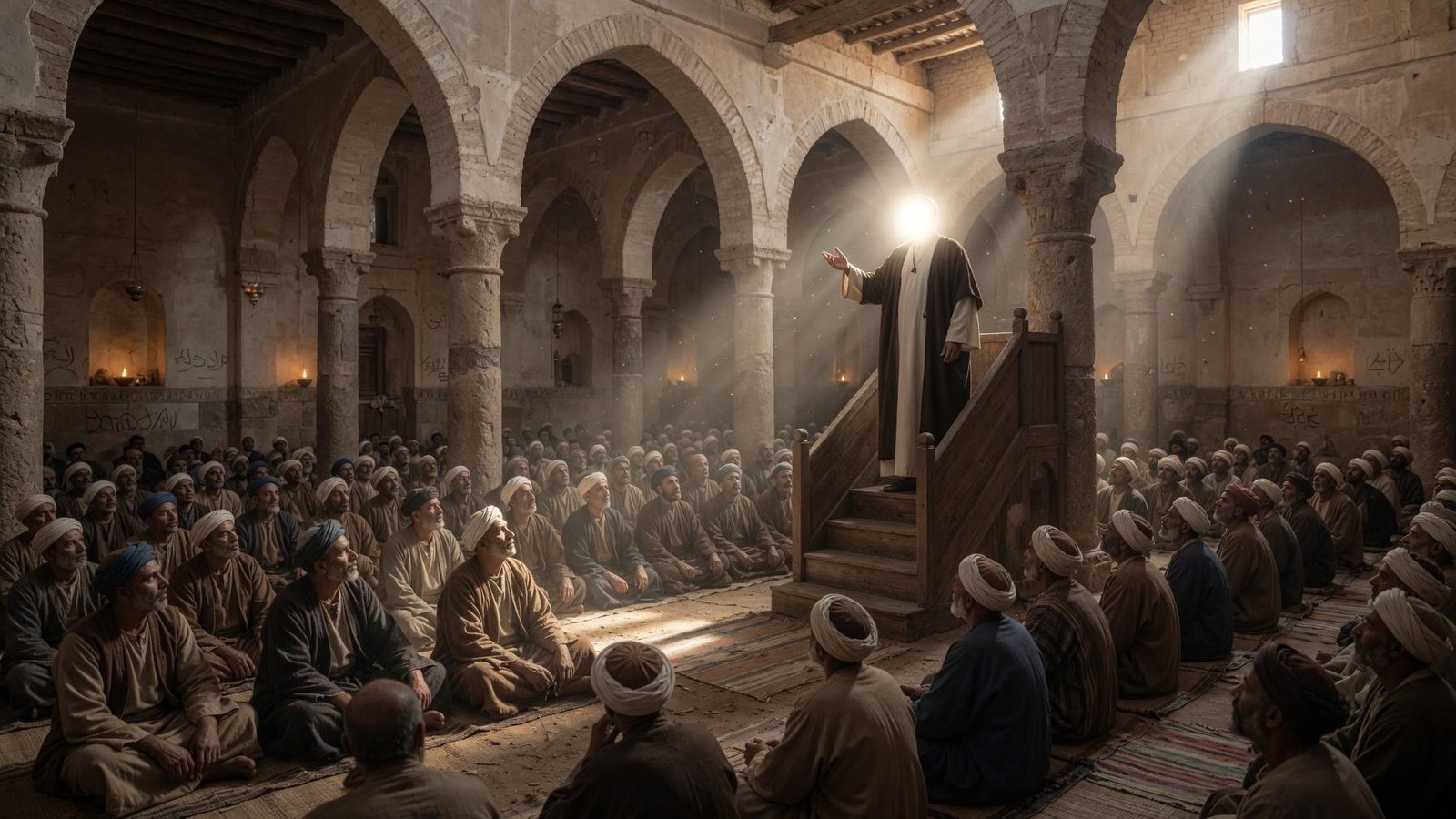
Life brings moments when we need encouragement to keep going, the courage to face difficulties, or the wisdom to make better decisions. Sometimes, a few thoughtful words can help us see a familiar problem in a new way.
Imam Ali ibn Abi Talib (AS), the cousin and son-in-law of Prophet Muhammad (peace be upon him and his family) and the first Imam in Twelver Shia Islam, is remembered for his wisdom, courage, knowledge, and devotion to Allah. Many of his reported sayings address the challenges of everyday life, reminding people to act with purpose, remain patient, develop their abilities, and choose good character over outward status.
In this article, you will find some of the most inspirational sayings attributed to Imam Ali (AS), together with their Arabic text, English meanings, sources, and practical lessons for daily life.
The selections come from classical collections, including Nahj al-Balagha and Ghurar al-Hikam. A reference identifies where a saying is recorded, but it does not, by itself, establish that every narration has an authenticated chain of transmission.
1. Seize Good Opportunities Before They Pass
Arabic:
الْفُرْصَةُ تَمُرُّ مَرَّ السَّحَابِ، فَانْتَهِزُوا فُرَصَ الْخَيْرِ.
English translation:
“Opportunities pass like clouds, so seize opportunities for good.”
Source: Nahj al-Balagha, Saying 21. Read the source
What does this saying teach us?
Have you ever wanted to learn something new but kept telling yourself that you would start tomorrow? Perhaps you wanted to apologize to someone, help a person in need, or spend more time studying. Days passed, but you never took the first step.
Imam Ali's saying reminds us that opportunities do not always remain available. Just as clouds move across the sky, moments in our lives pass and cannot always be recovered.
This does not mean we should rush into every decision. Instead, we should recognize worthwhile opportunities and act when we reasonably can.
Practical lesson: Do not wait for perfect conditions to begin doing something good. Start learning, help someone who needs you, and make use of the time you have today.
2. Your Worth Is Connected to What You Do Well
Arabic:
قِيمَةُ كُلِّ امْرِئٍ مَا يُحْسِنُهُ.
English translation:
“The worth of every person lies in what they do well.”
Source: Nahj al-Balagha, Saying 81. Read the Arabic and English text
What does this saying teach us?
People often measure success by wealth, popularity, appearance, or social position. Yet these things do not tell us everything about a person's abilities or character.
This saying directs our attention toward what a person learns, develops, and does well.
For example, one young person may become skilled at writing, another at solving difficult problems, and another at caring for people who need support. Each can use their abilities to make a positive contribution.
The lesson is not that someone who has not yet developed a special skill has less human worth. Rather, it encourages us to cultivate our abilities instead of relying on appearances or status.
Practical lesson: Choose a useful skill and work on it consistently. Read, practice, ask questions, and learn from your mistakes. Focus on becoming more capable rather than merely appearing successful.
3. The Height of Your Ambition Matters
Arabic:
قَدْرُ الرَّجُلِ عَلَى قَدْرِ هِمَّتِهِ، وَصِدْقُهُ عَلَى قَدْرِ مُرُوءَتِهِ، وَشَجَاعَتُهُ عَلَى قَدْرِ أَنَفَتِهِ، وَعِفَّتُهُ عَلَى قَدْرِ غَيْرَتِهِ.
English translation:
“A person's worth is measured by the height of their ambition; their truthfulness by their sense of honor, their courage by their self-respect, and their chastity by their sense of honor.”
Source: Nahj al-Balagha, Saying 47. Read the source
What does this saying teach us?
Ambition is more than wishing for a better life. It involves having meaningful goals and being willing to work toward them.
A student may dream of becoming a doctor, a teacher, or an engineer. But the dream alone does not prepare them for that future. They must study, develop good habits, and keep learning even when progress feels slow.
The saying also connects ambition with moral character. High ambitions should not lead us to dishonesty or arrogance. Our goals matter, but so does the way we pursue them.
Practical lesson: Set goals that encourage you to grow. Break a large goal into smaller steps, and pursue it without abandoning honesty, humility, or concern for others.
4. Let Your Actions Speak for You
Arabic:
مَنْ أَبْطَأَ بِهِ عَمَلُهُ لَمْ يُسْرِعْ بِهِ حَسَبُهُ.
English translation:
“Whoever is held back by their deeds will not be brought forward by their family status.”
Source: Nahj al-Balagha, Saying 23 in the cited edition. Read the source
What does this saying teach us?
Some people assume that having a respected family, an impressive background, or powerful connections will automatically make them successful.
This saying challenges that assumption. Family background cannot replace personal effort or good conduct.
Imagine two students. One comes from a family with a long history of academic success but refuses to study. The other has few advantages but works honestly, learns from mistakes, and continues improving. Their backgrounds may differ, but their daily choices matter.
The same principle applies to character. A person's family reputation does not excuse dishonesty, and another person's humble background does not prevent them from developing admirable qualities.
Practical lesson: Take responsibility for your own growth. Appreciate the help you receive, but do not depend on your background to accomplish what requires your own effort.
5. Patience Can Lead to Success, Even When It Takes Time
Arabic:
لاَ يَعْدَمُ الصَّبُورُ الظَّفَرَ وَإِنْ طَالَ بِهِ الزَّمَانُ.
English translation:
“One who patiently perseveres does not miss success, even if it takes a long time.”
Source: Nahj al-Balagha, Saying 153 in the cited edition. Read the source
What does this saying teach us?
One of the hardest parts of working toward a goal is waiting for results.
You may study for weeks without seeing the grades you hoped for. You may practice a language every day but still struggle to speak confidently. You may work hard at a task while others appear to advance more quickly.
These experiences can make you question whether your effort matters.
This saying encourages patience and perseverance. Progress is not always immediate, and a slow beginning does not mean that continued effort is worthless.
Patience, however, does not mean repeating the same mistakes forever. It can also mean changing your approach, seeking advice, and continuing with greater understanding.
Practical lesson: When progress feels slow, review what you are doing. Learn from setbacks, adjust your methods, and keep working toward worthwhile goals without expecting every result to arrive immediately.
6. Patience Makes Hardship Easier to Bear
Arabic:
الصَّبْرُ يُهَوِّنُ الْفَجِيعَةَ.
English translation:
“Patience makes a calamity easier to bear.”
Source: Ghurar al-Hikam, Saying 533, as cited in Mizan al-Hikmah. Read the source
What does this saying teach us?
Patience is not only about reaching a distant goal. It is also about facing situations we never wanted.
A person may experience disappointment, lose an opportunity, or face a difficult change in life. Such experiences can bring sadness and uncertainty. Patience does not mean pretending that everything is fine or refusing to seek help.
Rather, it encourages us not to let a painful moment control every decision we make.
For example, after failing an important exam, a student might feel tempted to give up. Patience allows the student to accept the disappointment, understand what went wrong, and prepare more effectively for the next attempt.
In this way, patience can help us respond thoughtfully rather than react impulsively.
Practical lesson: When something painful happens, give yourself time to process it. Seek support when necessary, consider what remains within your control, and take the next reasonable step.
7. Knowledge Is Better Than Wealth
Arabic:
يَا كُمَيْلُ، الْعِلْمُ خَيْرٌ مِنَ الْمَالِ، الْعِلْمُ يَحْرُسُكَ وَأَنْتَ تَحْرُسُ الْمَالَ، وَالْمَالُ تَنْقُصُهُ النَّفَقَةُ، وَالْعِلْمُ يَزْكُو عَلَى الْإِنْفَاقِ، وَصَنِيعُ الْمَالِ يَزُولُ بِزَوَالِهِ.
English translation:
“O Kumayl, knowledge is better than wealth. Knowledge protects you, while you must protect wealth. Wealth decreases when it is spent, whereas knowledge grows through sharing. The benefits of wealth disappear when it is gone.”
Source: Nahj al-Balagha, Saying 147, in the passage addressed to Kumayl ibn Ziyad. Read more about the saying
What does this saying teach us?
Wealth can provide comfort, meet essential needs, and create opportunities. But knowledge gives us something different: the ability to understand, make informed decisions, solve problems, and help others.
A person who shares useful knowledge does not necessarily lose it. A teacher can explain a subject to students and continue to understand it deeply. A skilled person can train others without losing the ability that made them skilled.
Knowledge can also help us use money wisely rather than depend on money alone.
This does not mean that money has no value. Instead, the saying emphasizes that knowledge has a lasting usefulness that possessions cannot always provide.
Practical lesson: Invest time in learning. Read reliable books, develop useful skills, ask thoughtful questions, and share what you learn in ways that benefit others.
8. Seek Wisdom Wherever You Find It
Arabic:
خُذِ الْحِكْمَةَ أَنَّى كَانَتْ، فَإِنَّ الْحِكْمَةَ تَكُونُ فِي صَدْرِ الْمُنَافِقِ فَتَلَجْلَجُ فِي صَدْرِهِ حَتَّى تَخْرُجَ فَتَسْكُنَ إِلَى صَوَاحِبِهَا فِي صَدْرِ الْمُؤْمِنِ.
English translation:
“Take wisdom wherever it may be found, for wisdom may be in the heart of a hypocrite, unsettled within him until it comes out and settles with those who are its rightful companions in the heart of a believer.”
Source: Nahj al-Balagha, Saying 79. Read the Arabic and English text
What does this saying teach us?
Learning requires an open mind. Sometimes, a useful lesson comes from a teacher. At other times, it comes from a book, an experience, a conversation, or even a mistake.
The important thing is to recognize wisdom rather than reject every useful idea simply because of who expresses it.
This does not mean accepting everything we hear. Good judgment remains essential. We should examine ideas carefully, compare them with reliable evidence, and avoid confusing a confident statement with a truthful one.
For a student, this can mean listening carefully to feedback instead of becoming defensive. For an adult, it can mean learning a better way to solve a problem from someone younger or less experienced.
Practical lesson: Stay curious. Listen carefully, think critically, and be willing to improve your understanding when you encounter a genuinely useful lesson.
How Can You Apply Imam Ali's Inspirational Sayings to Daily Life?
Reading wise words can be valuable, but their practical benefit depends on how we respond to them.
Rather than trying to memorize every saying at once, choose one that addresses a challenge you are currently facing.
- When you are delaying an important task: Remember the saying about opportunities passing like clouds and begin with one manageable step.
- When you feel that progress is too slow: Reflect on the saying about patience and success. Review your approach and continue working steadily.
- When you compare yourself with others: Remember that your own effort, abilities, and character deserve attention.
- When you face a difficult experience: Practice patience while seeking reasonable support and solutions.
- When you want to grow: Give time to learning, useful skills, and the wisdom that comes from experience.
The goal is not to use a quotation as a replacement for careful thought. It is to let its meaning guide your decisions and actions.
Frequently Asked Questions
Among the most memorable sayings attributed to Imam Ali (AS) are those about seizing good opportunities, pursuing worthwhile ambitions, valuing knowledge, acting responsibly, and remaining patient through hardship. The best choice depends on the challenge a reader is facing.
A saying recorded in Nahj al-Balagha states: “One who patiently perseveres does not miss success, even if it takes a long time.” It encourages people to remain patient and persistent when worthwhile goals require sustained effort.
One saying attributed to Imam Ali states, “Patience makes a calamity easier to bear.” Recorded in Ghurar al-Hikam and cited in Mizan al-Hikmah, it emphasizes the value of facing hardship with steadiness rather than allowing distress to control our response.
A famous passage in Nahj al-Balagha says that knowledge is better than wealth because knowledge protects a person, while wealth must be protected. It also explains that knowledge grows through sharing.
Not necessarily. A saying's appearance in a classical collection does not automatically establish that its chain of transmission is authentic. Each narration requires individual evaluation, and readers should distinguish between a documented source and a verified judgment about authenticity.
You can explore Nahj al-Balagha for sermons, letters, and short sayings, and Ghurar al-Hikam wa Durar al-Kalim for a large collection of maxims attributed to Imam Ali. The subject-based volumes of Mizan al-Hikmah also organize reported sayings by topic, making them useful for further reading.
Conclusion
The inspirational sayings attributed to Imam Ali (AS) offer guidance on several important parts of life: using opportunities wisely, developing our abilities, taking responsibility for our actions, pursuing knowledge, and facing difficulties with patience.
Their message is not simply to dream of a better future. It is to connect our hopes with meaningful action, our ambitions with good character, and our struggles with thoughtful perseverance.
Choose one lesson that speaks to you today and put it into practice. Over time, small, thoughtful decisions can become habits that shape the way you learn, work, and treat other people.